

Keynote Presentations
Keynote Lecture PASC26 Conference
Building Bridges between Application, System Software, and Hardware Developers
Estela Suarez (Jülich Supercomputing Centre, Germany)
High-Performance Computing (HPC) is intrinsically interdisciplinary, bringing together communities with distinct goals, methods, and vocabularies; from application scientists seeking scientific insight, system software developers ensuring portability and robustness, to hardware architects optimizing for performance and efficiency. Although these actors contribute to a shared ecosystem, they often operate within different cultural and professional frameworks.
Co-design has emerged as a powerful mechanism to bridge these divides. Beyond mere technical collaboration, it functions as a process of “cultural translation,” enabling fact-based dialogue among application developers, software engineers, and hardware designers. By exposing real workload requirements and clarifying system constraints at different layers of the stack, co-design fosters mutual understanding and shared ownership of design decisions. When user communities are engaged early and their feedback is visibly integrated, trust in the acceptance of new HPC solutions increases.
Drawing on fifteen years of experience in European HPC research and system development projects, this talk reflects upon and aims to trigger discussion around open questions on: How can co-design continue to mediate between the distinct cultures of science, engineering, and user communities? And how might its collaborative principles inform broader questions of trust in scientific processes, where technical transparency must be paired with social legitimacy?
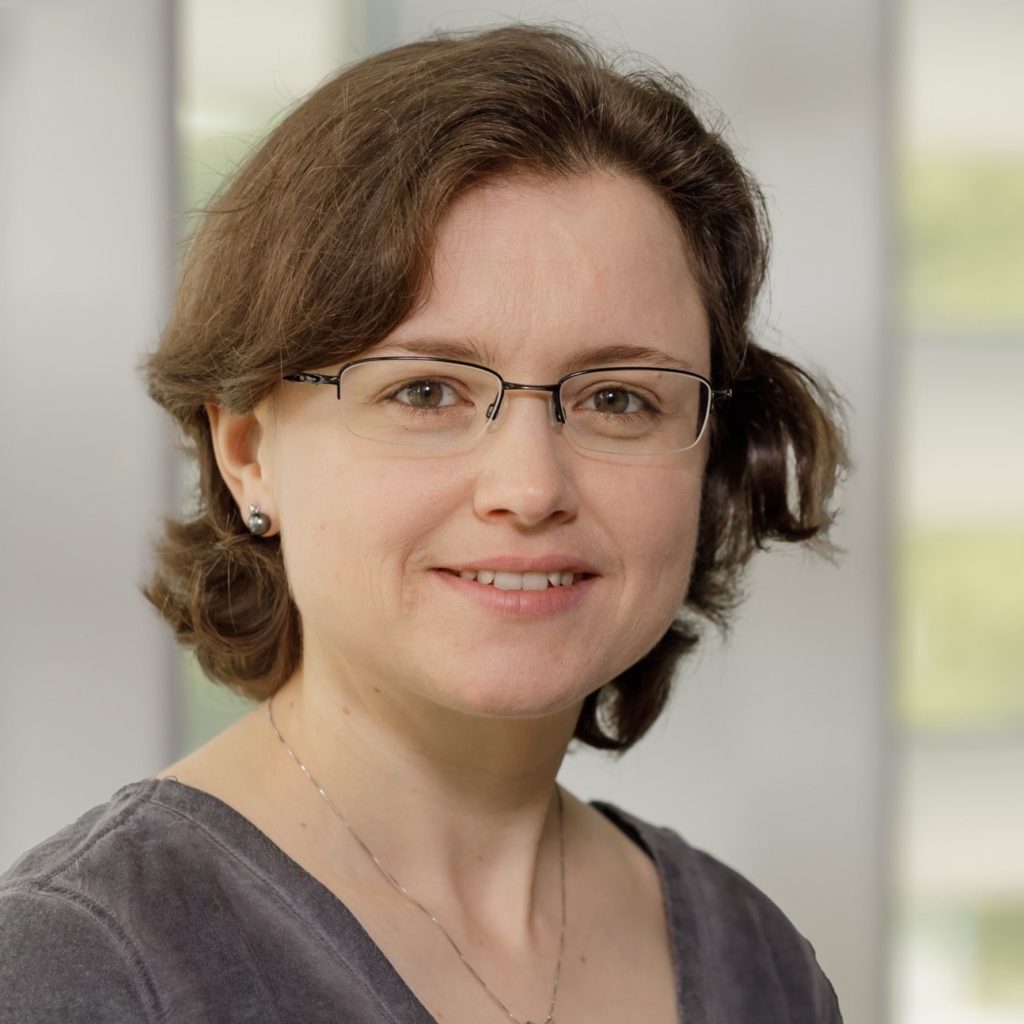
Estela Suarez is Joint Lead of the department Novel System Architecture Design at the Jülich Supercomputing Centre, and Associate Professor for High Performance Computing at the University of Bonn. Her expertise is in HPC system architecture and codesign. As leader of the DEEP project series, she has driven the development of the Modular Supercomputing Architecture, including the implementation and validation of hardware, software and applications. In addition, she leads the energy efficiency project SEANERGYS and has led the codesign efforts within the European Processor Initiative in 2018-2024. From 2024 to 2025 she has been Senior Principal Solution Architect at SiPEARL, during a sabbatical. She holds a Master’s degree in Astrophysics from the University Complutense of Madrid (Spain) and a PhD in Physics from the University of Geneva (Switzerland).